
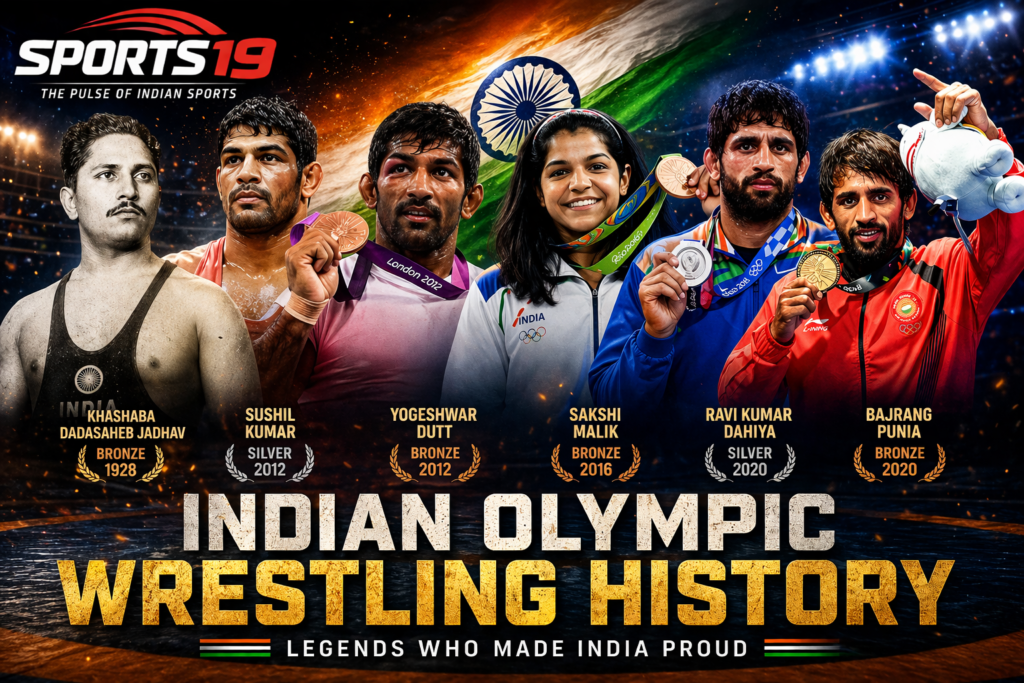
Indian Olympic Wrestling History: Wrestling is one of the oldest and most respected sports in India. From ancient akharas to the modern Olympic arena, Indian wrestlers have built a proud legacy through discipline, strength, and determination. Over the decades, India has produced legendary grapplers who carried the nation’s hopes on the global stage. The history of Indian Olympic wrestling is a story of struggle, sacrifice, and rising success.
Wrestling Roots in India
Wrestling has deep cultural importance in India. Traditional forms like Kushti were practiced for centuries in villages and towns. Indian wrestlers trained in mud pits, followed strict diets, and lived disciplined lives. This traditional system created a strong foundation that later helped Indian athletes compete internationally in freestyle and Greco-Roman wrestling. When India began participating in the Olympic Games, wrestling naturally became one of the country’s key medal hopes.
India’s First Olympic Wrestling Medal
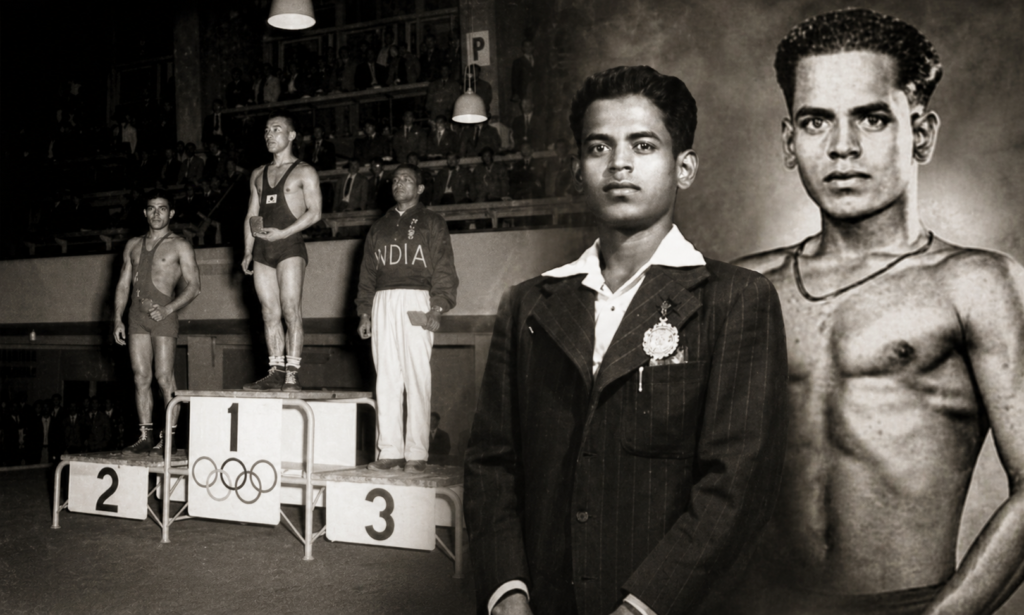
The biggest breakthrough came at the 1952 Summer Olympics when Khashaba Dadasaheb Jadhav won a bronze medal in bantamweight freestyle wrestling.
This was a historic moment because:
- He became independent India’s first individual Olympic medalist
- He became India’s first Olympic wrestling medal winner
- His achievement inspired generations of future wrestlers
Jadhav’s medal remained unmatched in Indian wrestling for more than five decades.
Long Wait and New Era
After 1952, India faced a long medal drought in Olympic wrestling. Many wrestlers competed bravely, but podium finishes remained difficult due to rising international competition. The revival began in the 21st century when Indian wrestling infrastructure improved. Better coaching, scientific training, nutrition programs, and exposure to global tournaments helped Indian wrestlers return stronger.
Sushil Kumar Changes Indian Wrestling Forever
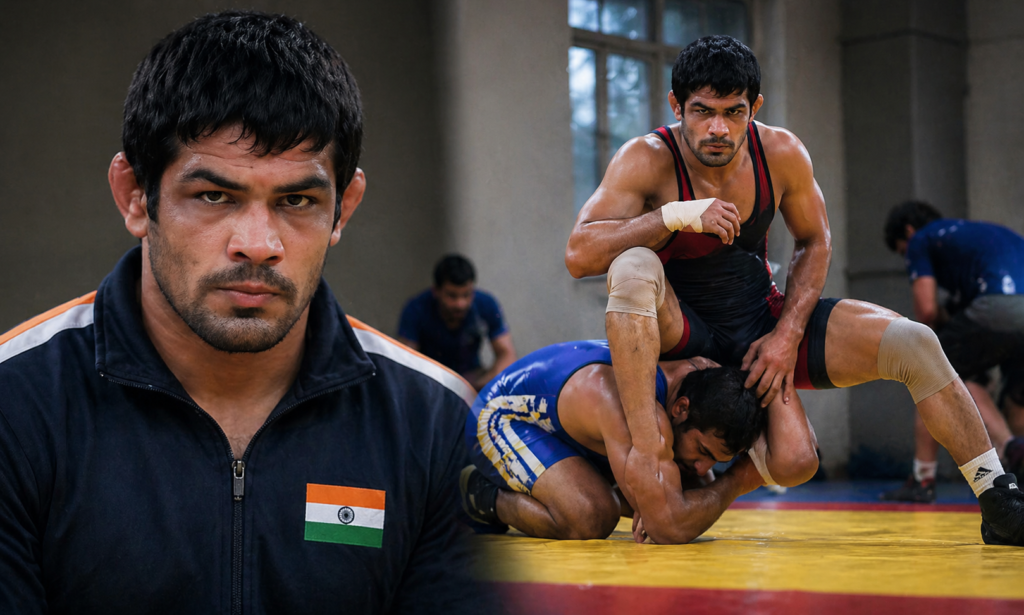
At the 2008 Summer Olympics, Sushil Kumar won bronze in freestyle wrestling, ending India’s 56-year Olympic wrestling medal wait.
Then he created history again at the 2012 Summer Olympics by winning silver.
His achievements were monumental because:
- First Indian wrestler to win two Olympic medals
- First Indian wrestler to win Olympic silver
- Inspired a new generation of wrestlers across India
Sushil Kumar became one of the biggest names in Indian sports. Indian Olympic Wrestling History
Yogeshwar Dutt’s Heroic Medal
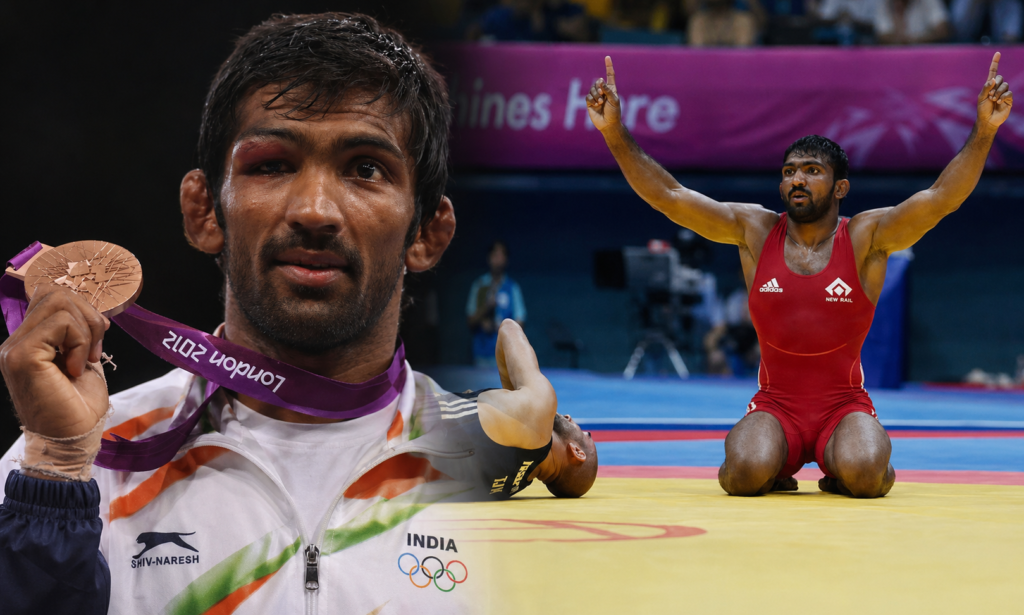
At the 2012 Summer Olympics, Yogeshwar Dutt won bronze in freestyle wrestling.
His journey was admired because he overcame serious injuries and setbacks before reaching the Olympic podium. His fighting spirit made him a fan favorite. Indian Olympic Wrestling History
Women’s Wrestling Makes History
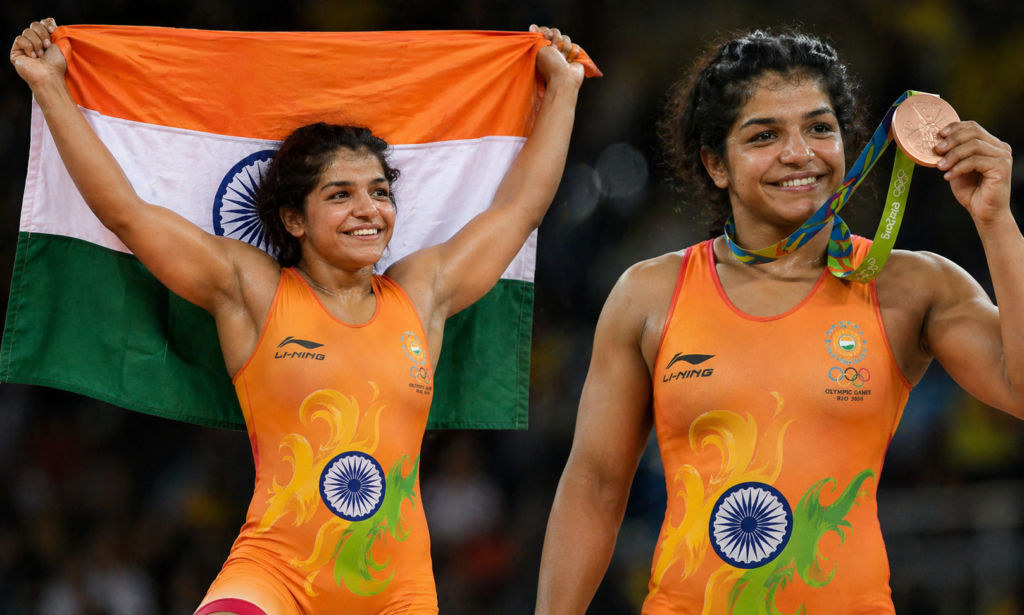
Indian women wrestlers then transformed the sport.
At the 2016 Summer Olympics, Sakshi Malik won bronze, becoming the first Indian woman wrestler to win an Olympic medal.
Her victory was historic because:
- First Indian female wrestler with Olympic medal
- Major boost for women’s wrestling in India
- Inspired thousands of girls to enter the sport
At the same Olympics, Vinesh Phogat also drew huge attention despite injury heartbreak. Indian Olympic Wrestling History
Ravi Kumar Dahiya’s Silver Glory
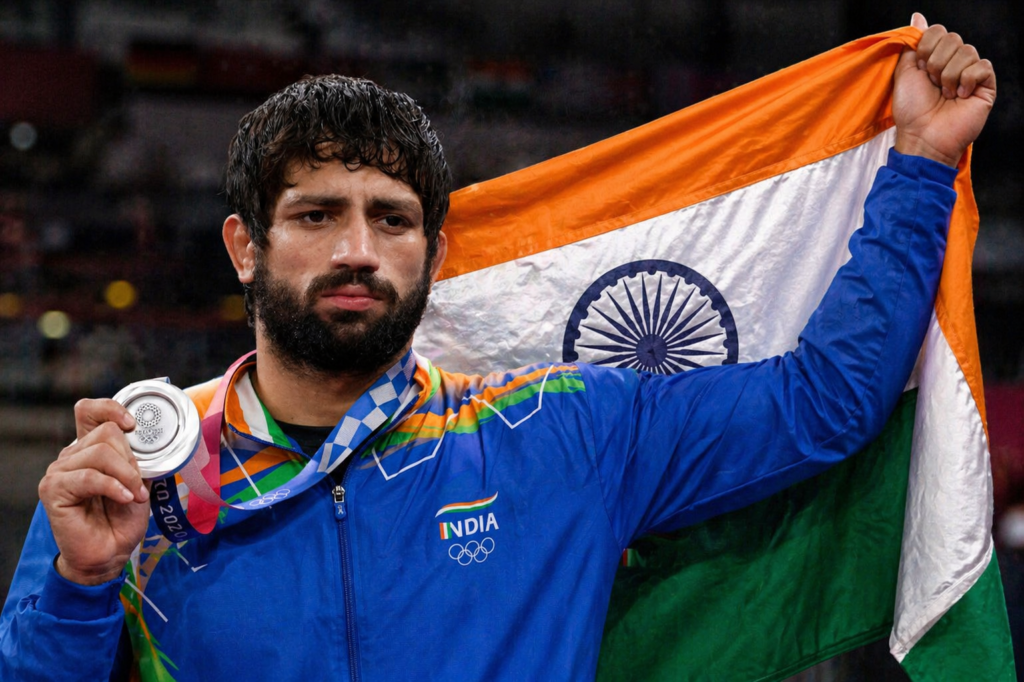
At the 2020 Summer Olympics, Ravi Kumar Dahiya won silver.
He displayed incredible resilience, especially in his semifinal comeback victory. Ravi’s medal confirmed India’s rise as a wrestling powerhouse.
Bajrang Punia’s Bronze Success
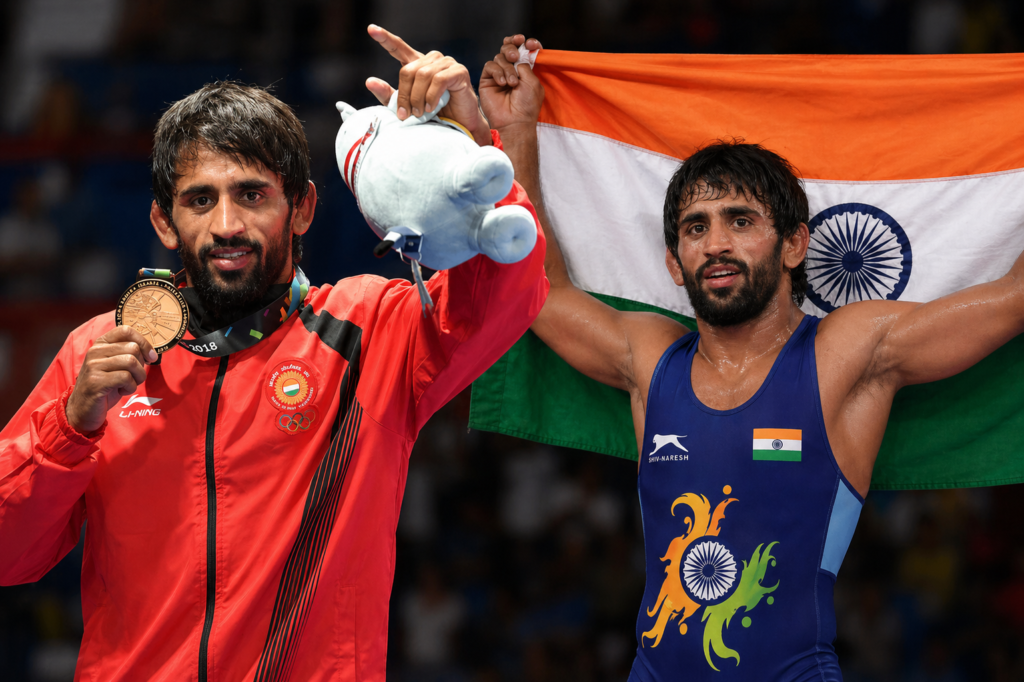
Also at the 2020 Summer Olympics, Bajrang Punia secured bronze.
Known for his aggressive style and consistency, Bajrang became another major Olympic hero for India.
Indian Olympic Wrestling Medal Winners
| Wrestler | Olympics | Medal |
|---|---|---|
| K.D. Jadhav | 1952 Helsinki | Bronze |
| Sushil Kumar | 2008 Beijing | Bronze |
| Sushil Kumar | 2012 London | Silver |
| Yogeshwar Dutt | 2012 London | Bronze |
| Sakshi Malik | 2016 Rio | Bronze |
| Ravi Kumar Dahiya | Tokyo 2020 | Silver |
| Bajrang Punia | Tokyo 2020 | Bronze |
Why India Succeeds in Wrestling
Several reasons explain India’s Olympic wrestling growth:
- Strong traditional wrestling culture
- Popular akhara system in states like Haryana and Uttar Pradesh
- Better training centers and foreign coaching
- Rising support for women athletes
- Government and private sponsorship programs
- Strong mental toughness and discipline
Challenges Still Ahead
Despite success, India still aims for its first Olympic wrestling gold medal. Challenges include:
- Need for more grassroots facilities
- Better sports science support
- International exposure for juniors
- Injury management
- Consistency under Olympic pressure
The Future of Indian Wrestling
India continues to produce talented wrestlers from rural and urban backgrounds. Young stars dream of standing on the Olympic podium and winning the nation’s first wrestling gold medal. With stronger systems and growing talent, the future looks bright for Indian wrestling.
Conclusion
The history of Indian Olympic wrestling is a journey from K.D. Jadhav’s lonely bronze in 1952 to multiple medals in the modern era. Legends like Sushil Kumar, Yogeshwar Dutt, Sakshi Malik, Ravi Dahiya, and Bajrang Punia turned India into a respected force in world wrestling.
Their stories prove that with hard work, courage, and belief, India can continue to rise on the Olympic mat.
https://sports19.in/jimmy-george-biography-indian-volleyball-legend/